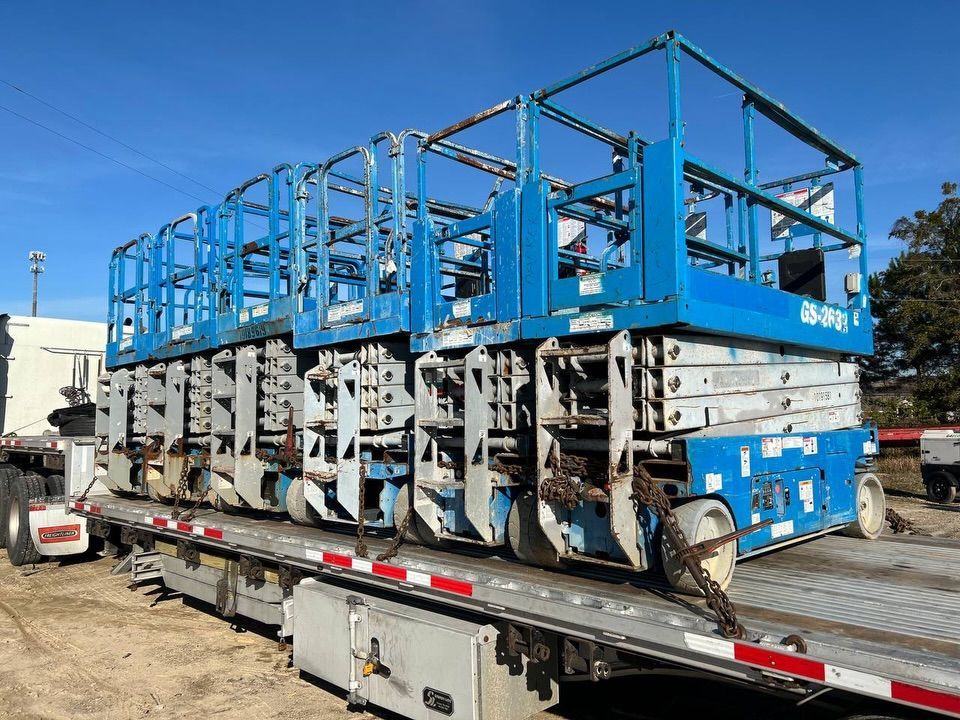
Shipping construction equipment safely requires more than just loading machinery onto a trailer. It involves proper planning, compliance with regulations, and careful handling at every stage. Whether you are moving equipment across Provo, UT or transporting it across state lines, following a structured process ensures your machinery arrives on time and without damage.
This guide breaks down exactly how to ship construction equipment safely, helping you avoid costly mistakes and delays.
Understanding Construction Equipment Shipping
Construction equipment shipping involves transporting heavy machinery such as:
- Excavators
- Bulldozers
- Backhoes
- Skid steers
- Cranes and loaders
Because of their size and weight, these machines often require specialized trailers, permits, and professional logistics coordination.
Shipping construction equipment is not a standard freight job. It demands expertise in heavy hauling, route planning, and safety compliance.
Step 1: Assess Your Equipment
Before arranging transport, gather all the necessary details about your equipment. This includes:
- Dimensions (height, width, length)
- Weight
- Type of machinery
- Condition (operational or non-operational)
Accurate information is critical because it determines:
- The type of trailer required
- Whether permits are needed
- The overall cost of transport
Incorrect details can lead to delays or additional charges.
Step 2: Choose the Right Transport Method
Different types of construction equipment require different transport solutions.
Common Trailer Types:
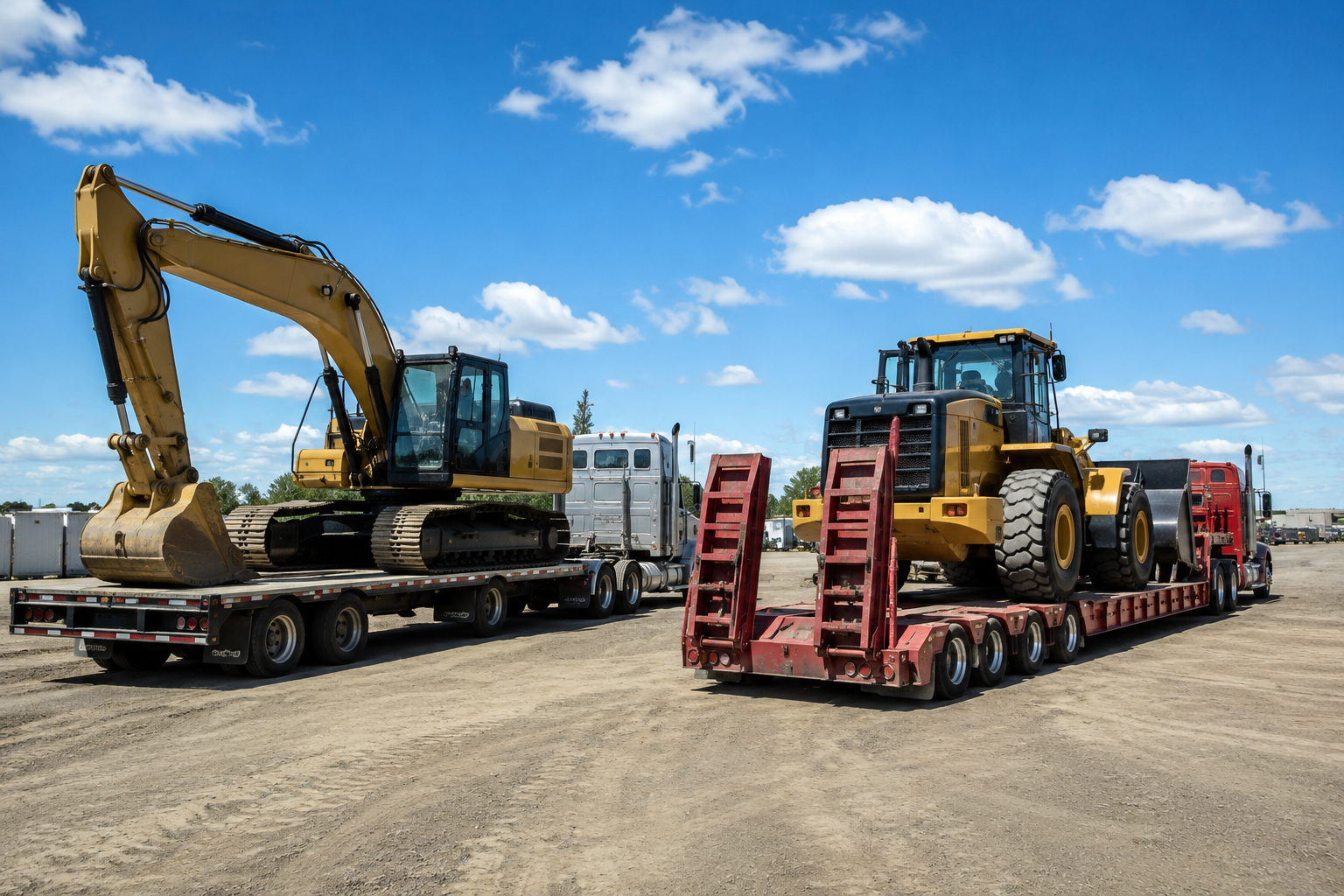
- Flatbed Trailers: Suitable for standard-sized equipment
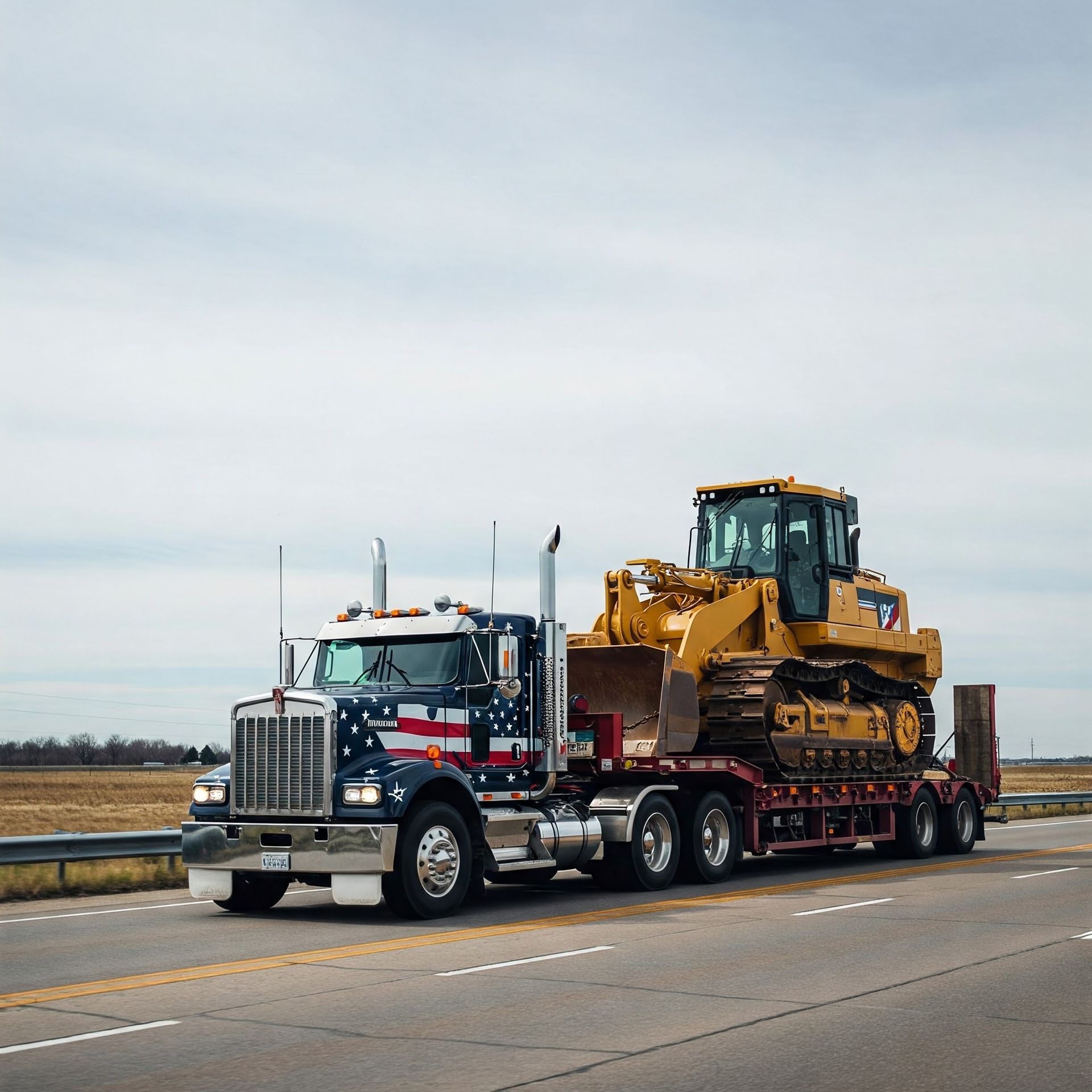
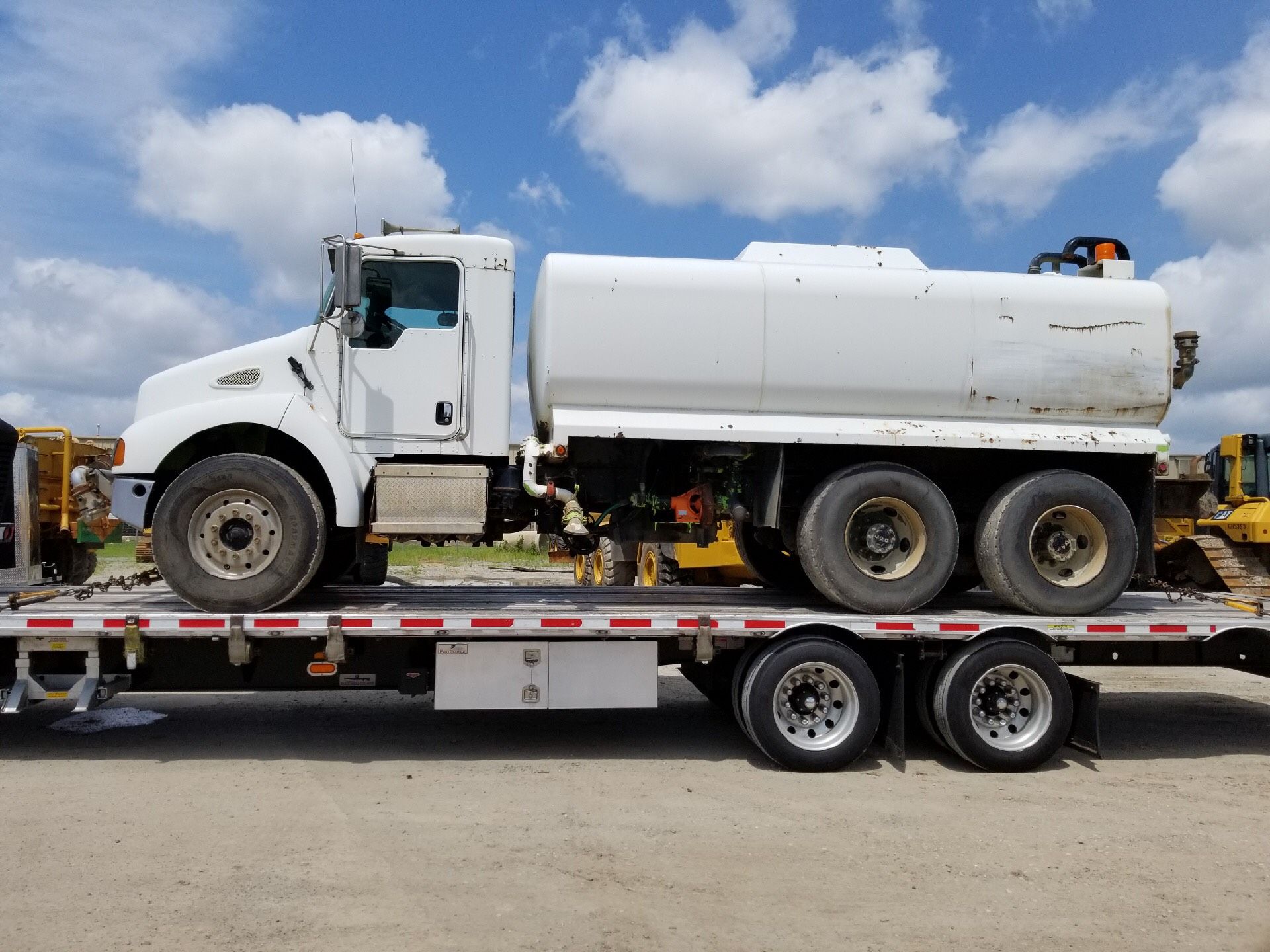
- Lowboy Trailers: Ideal for tall machinery that exceeds height limits
- Step Deck Trailers: Used for medium-height equipment
- Multi-Axle Trailers: Designed for extremely heavy loads
Selecting the right trailer ensures safe loading and compliance with road regulations.
Step 3: Understand Permits and Regulations
In Utah and across the United States, oversized loads must comply with strict regulations.
When Permits Are Required:
- Equipment exceeds legal height, width, or weight limits
- Transport involves interstate travel
- Special routing is necessary
Permits may also require:
- Escort vehicles
- Restricted travel times
- Pre-approved routes
Professional transport companies typically handle this process for you, ensuring full compliance.
Step 4: Prepare Your Equipment for Transport
Proper preparation reduces the risk of damage and delays.
Preparation Checklist:
- Clean the equipment to allow inspection
- Remove loose parts and attachments
- Secure moving components (arms, buckets, etc.)
- Check for leaks and fluid levels
- Disconnect batteries if required
Taking these steps ensures your equipment is ready for safe loading and transport.
Step 5: Hire a Professional Transport Company
Choosing an experienced company is one of the most important steps in the process.
A reliable provider like Royal Fast n Safe Transportation, LLC offers:
- Expertise in heavy equipment transport
- Proper licensing and insurance
- Knowledge of Utah regulations
- Advanced equipment and trained operators
When evaluating companies, look for:
- Proven experience with construction equipment
- Strong safety practices
- Transparent pricing
Step 6: Loading and Securing the Equipment
Loading is a critical phase where most damage risks occur.
Best Practices for Loading:
- Use ramps or cranes depending on equipment type
- Ensure proper weight distribution
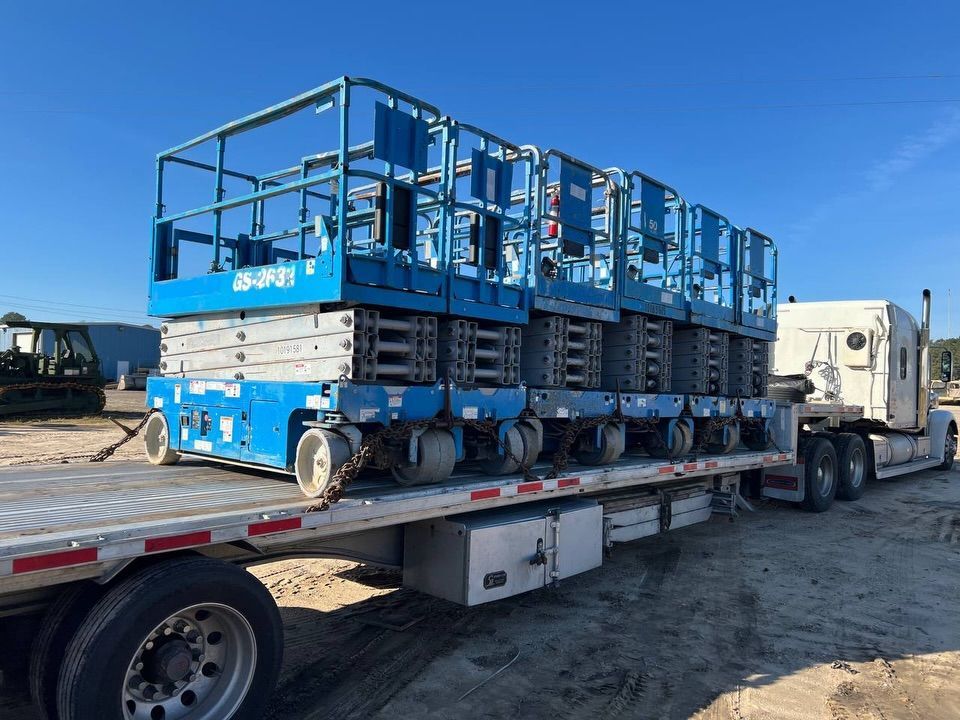
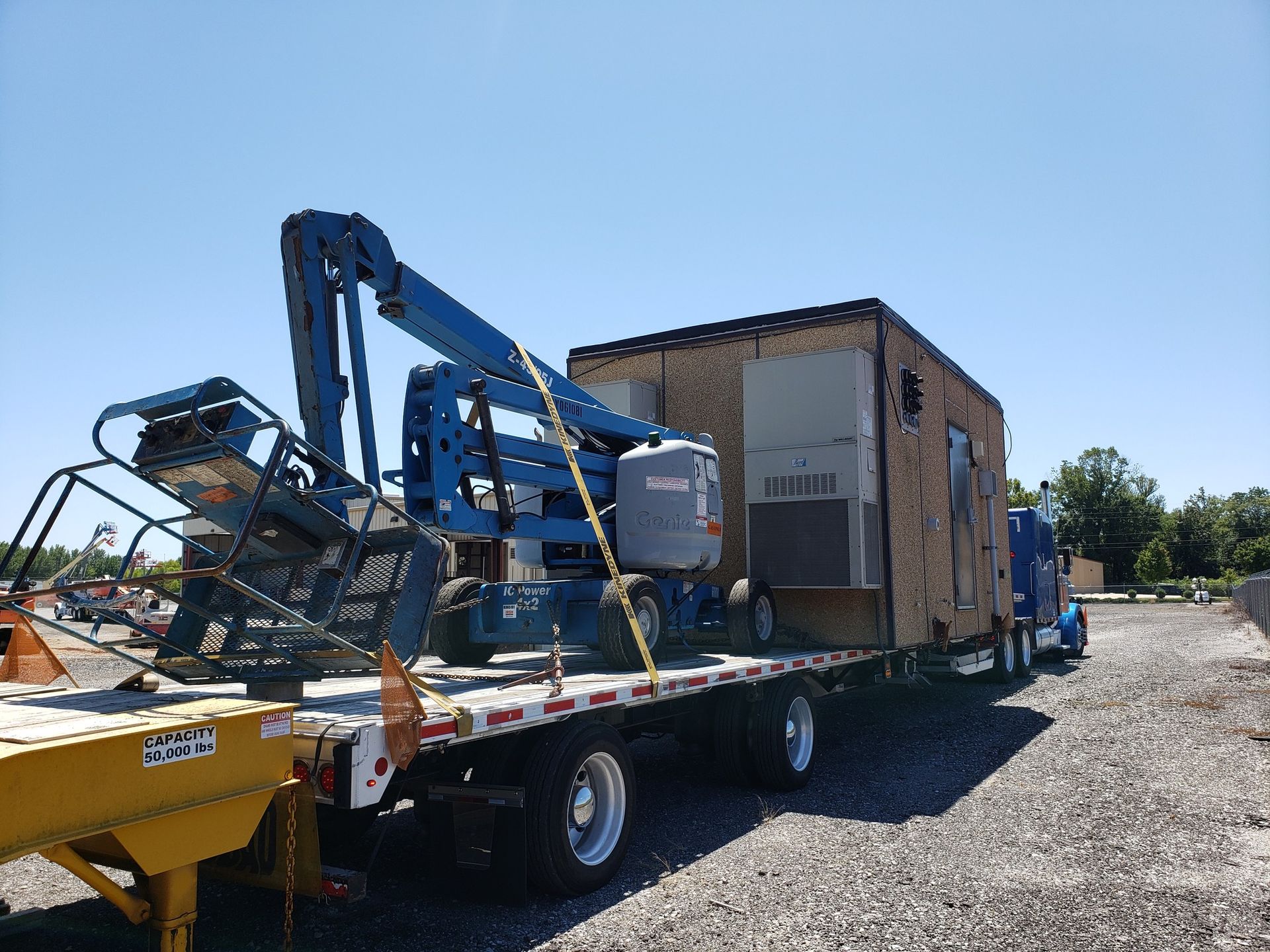
- Secure equipment using chains and binders
- Double-check all tie-down points
Improper loading can lead to shifting during transit, increasing the risk of accidents.
According to the Federal Motor Carrier Safety Administration, proper cargo securement is essential to prevent injuries and damage during transport [FMCSA Cargo Safety Guide – https://www.fmcsa.dot.gov/safety/cargo-securement].
Step 7: Plan the Transport Route
Route planning is especially important for oversized loads.
Factors to Consider:
- Bridge height and weight limits
- Road width and traffic conditions
- Construction zones
- Weather conditions
In areas like Provo, UT, routes may include mountainous terrain or urban restrictions, making professional planning essential.
Step 8: Monitor the Shipment
A professional transport company will provide updates throughout the process.
What to Expect:
- Pickup confirmation
- Transit updates
- Estimated delivery time
- Notification of any delays
Staying informed helps you coordinate with your team and prepare for delivery.
Step 9: Delivery and Final Inspection
Once your equipment arrives, conduct a thorough inspection.
Inspection Checklist:
- Check for visible damage
- Verify all parts are intact
- Ensure equipment is operational
If any issues are found, document them immediately and notify the transport company.
Common Mistakes to Avoid When Shipping Construction Equipment
Avoiding these common mistakes can save time and money:
- Providing incorrect equipment dimensions
- Failing to prepare equipment properly
- Choosing the cheapest transport option instead of the most reliable
- Ignoring permit requirements
- Booking transport too late
Working with a professional company helps prevent these issues.
Benefits of Professional Construction Equipment Shipping
Hiring experts offers several advantages:
Safety
Proper handling reduces the risk of accidents and damage.
Efficiency
Experienced teams streamline the process and minimize delays.
Compliance
Professionals ensure all regulations and permits are handled correctly.
Cost Savings
Avoid costly mistakes, fines, and equipment damage.
Why Businesses in Provo Trust Royal Fast n Safe Transportation
Royal Fast n Safe Transportation, LLC provides dependable construction equipment shipping services in Provo, UT and surrounding areas.
What Sets Them Apart:
- Local expertise in Utah transport regulations
- Reliable and timely service
- Advanced hauling equipment
- Experience in complex logistics
Whether you need local transport or long-distance hauling, their team ensures your equipment is handled with care.
FAQs
How much does it cost to ship construction equipment?
Costs vary based on size, weight, distance, and permit requirements. Requesting a custom quote provides the most accurate estimate.
Do I need permits to ship construction equipment in Utah?
Yes, oversized or overweight equipment requires permits issued by the state.
How long does shipping take?
Delivery time depends on distance, route conditions, and scheduling availability.
Can non-operational equipment be transported?
Yes, but it may require special loading equipment such as cranes.
Call to Action: Ship Your Equipment With Confidence
If you need to ship construction equipment safely in Provo, UT, working with an experienced team makes all the difference.
Royal Fast n Safe Transportation, LLC offers reliable, efficient, and secure transport services tailored to your needs.