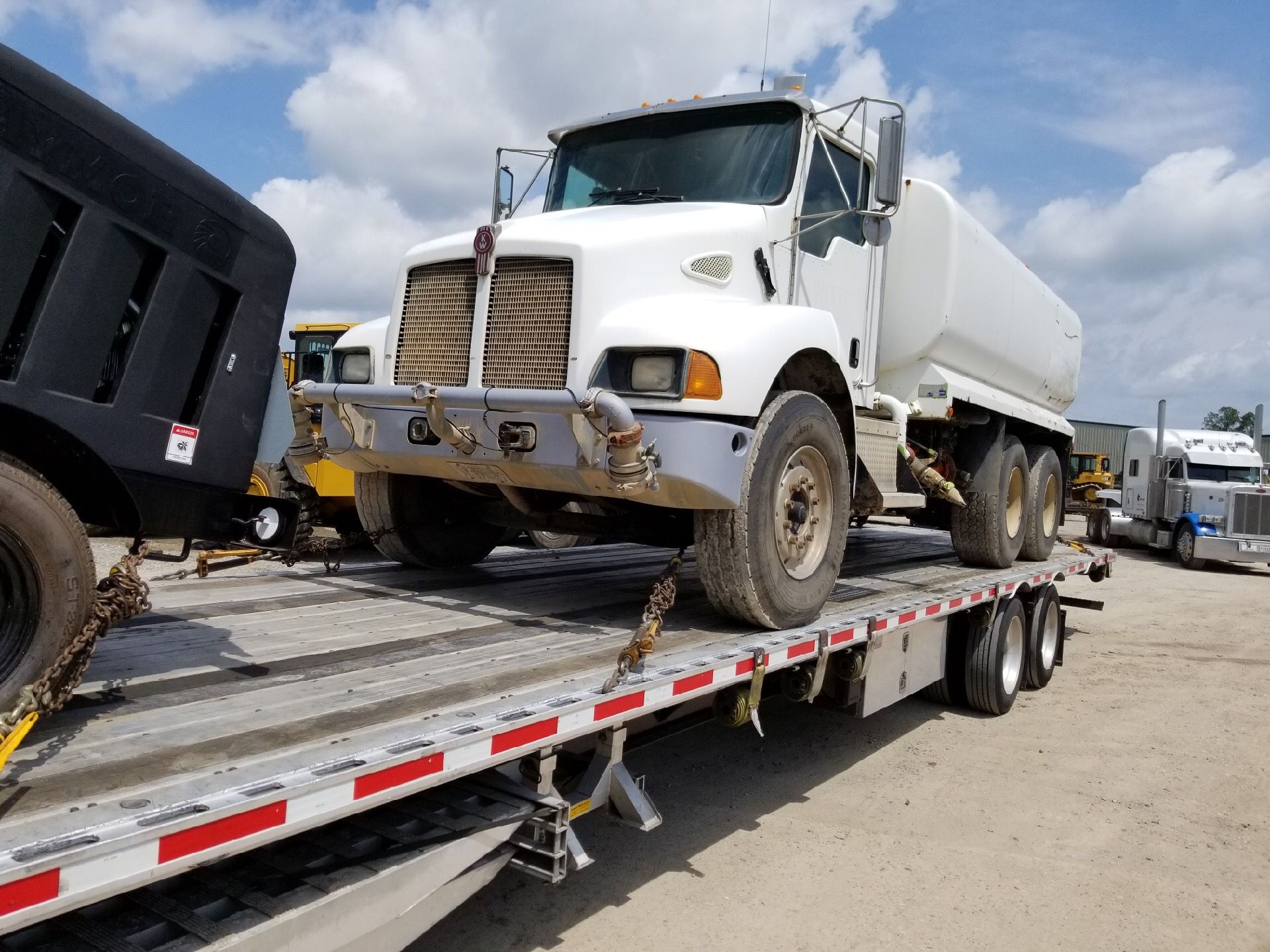
Moving an excavator between construction sites requires proper planning, specialized equipment, and safe handling. Whether transporting machinery in Provo, Orem, Lehi, or elsewhere in Utah, professional
excavator transportation services help minimize equipment damage, delays, and unexpected costs.
Understanding the transportation process, from trailer selection to delivery, can help contractors move heavy machinery safely and efficiently.
Why Professional Excavator Transportation Matters
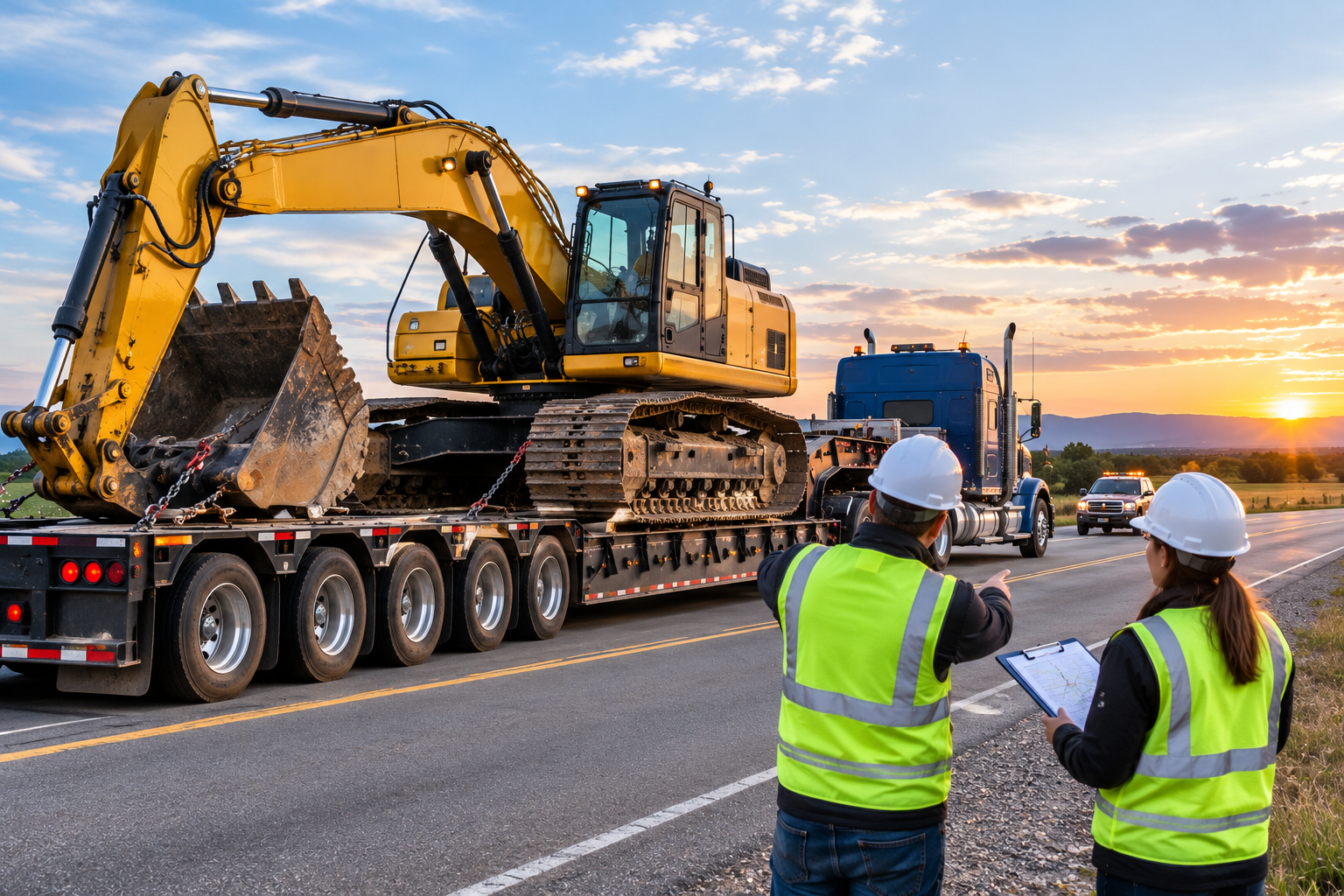
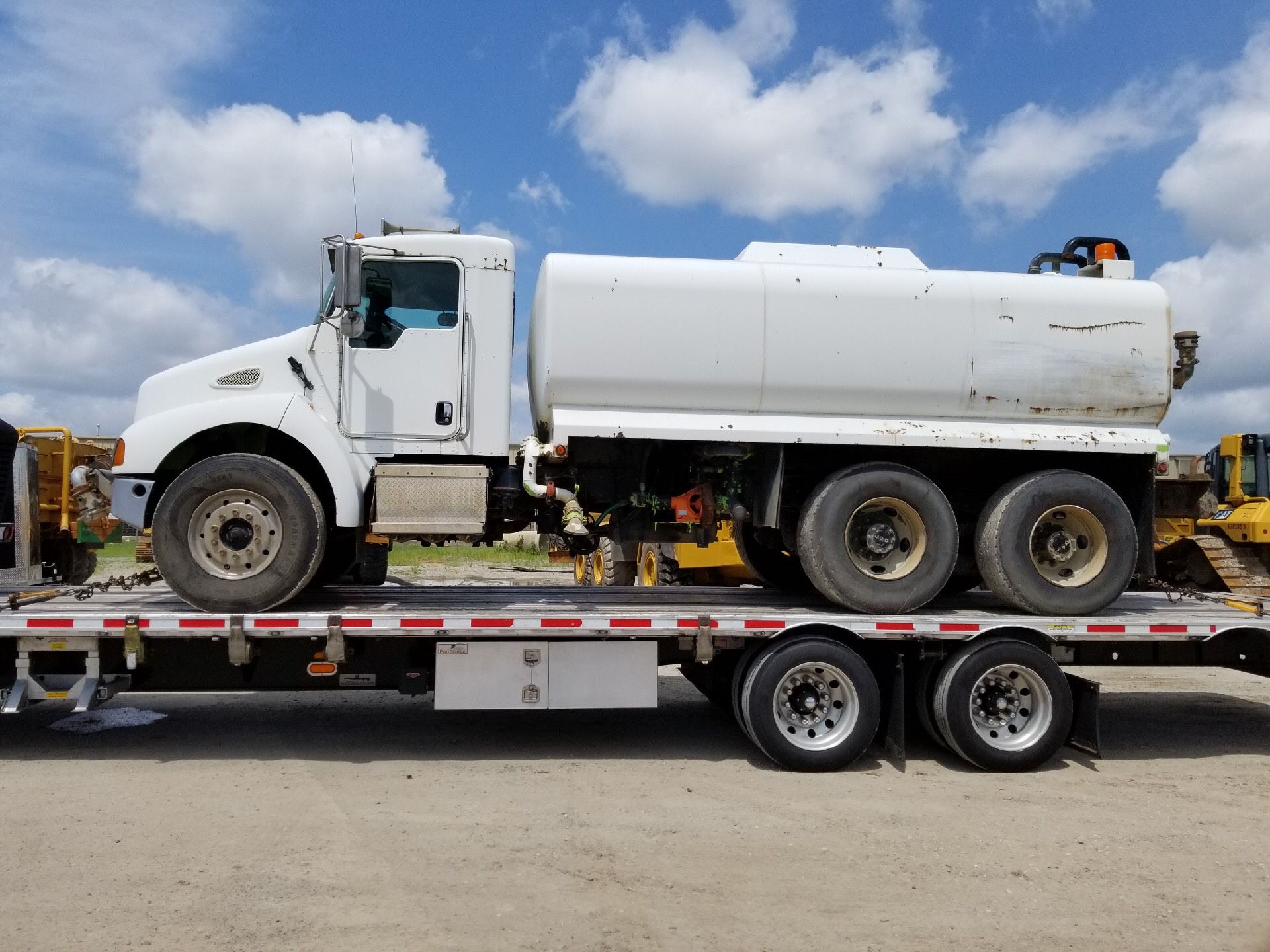
Excavators are heavy, valuable machines that require specialized hauling equipment. Their weight, dimensions, tracks, and attachments can make transportation challenging, particularly on narrow roads or construction sites with limited access.
Professional heavy equipment hauling helps contractors manage:
- Equipment safety: Proper loading and securement reduce the risk of damage.
- Trailer requirements: Different excavator sizes require appropriately rated trailers.
- Route restrictions: Bridges, road clearances, and weight limits can affect transportation.
- Permits: Oversized or overweight loads may require special authorization.
- Delivery schedules: Coordinated transportation helps prevent project delays.
Types of Excavators That Can Be Transported
Transportation requirements vary depending on the excavator's size, weight, and configuration.
Mini Excavators
Commonly used for landscaping, residential construction, and utility projects, mini excavators can often be transported using appropriately rated equipment trailers or flatbeds.
Standard Crawler Excavators
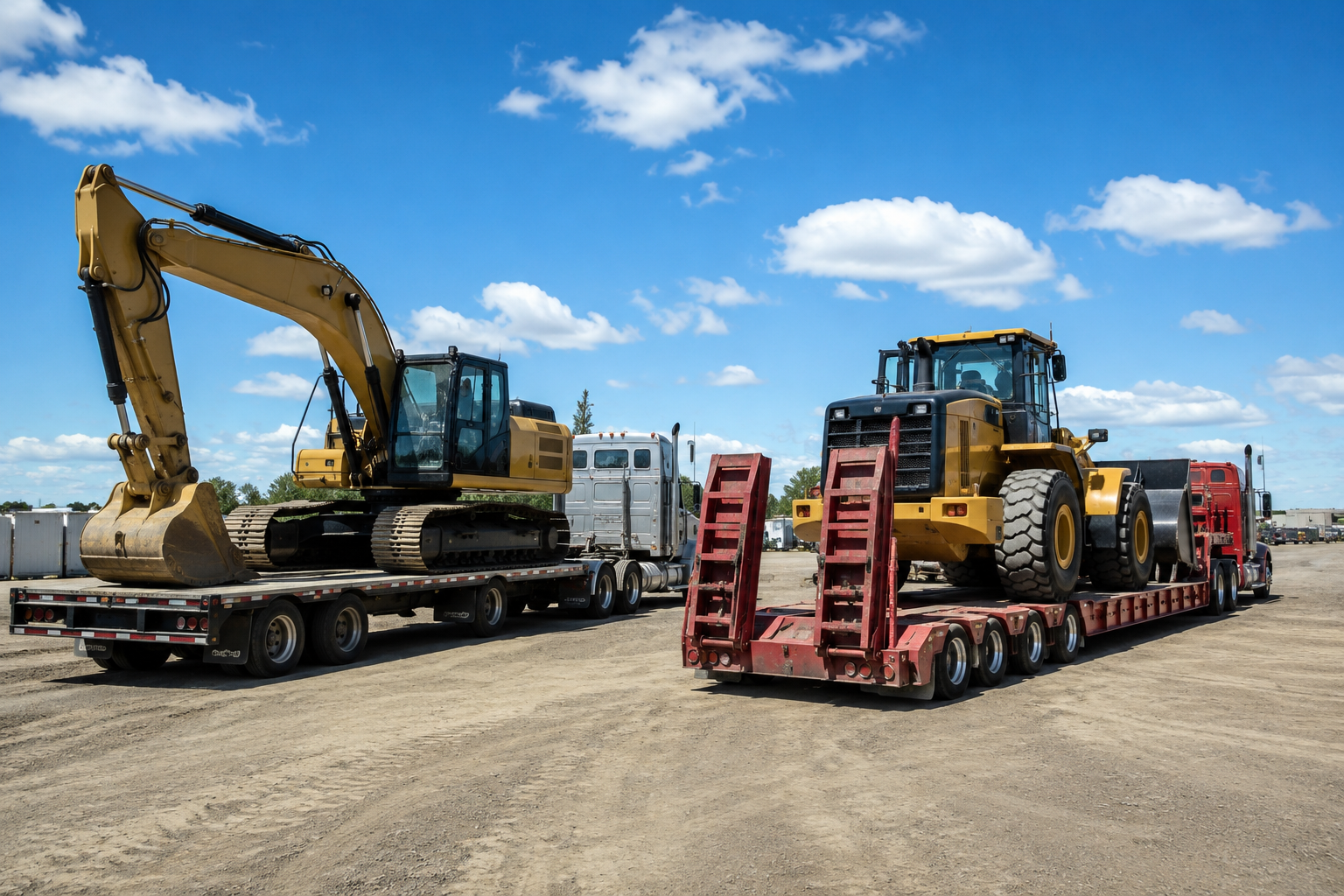
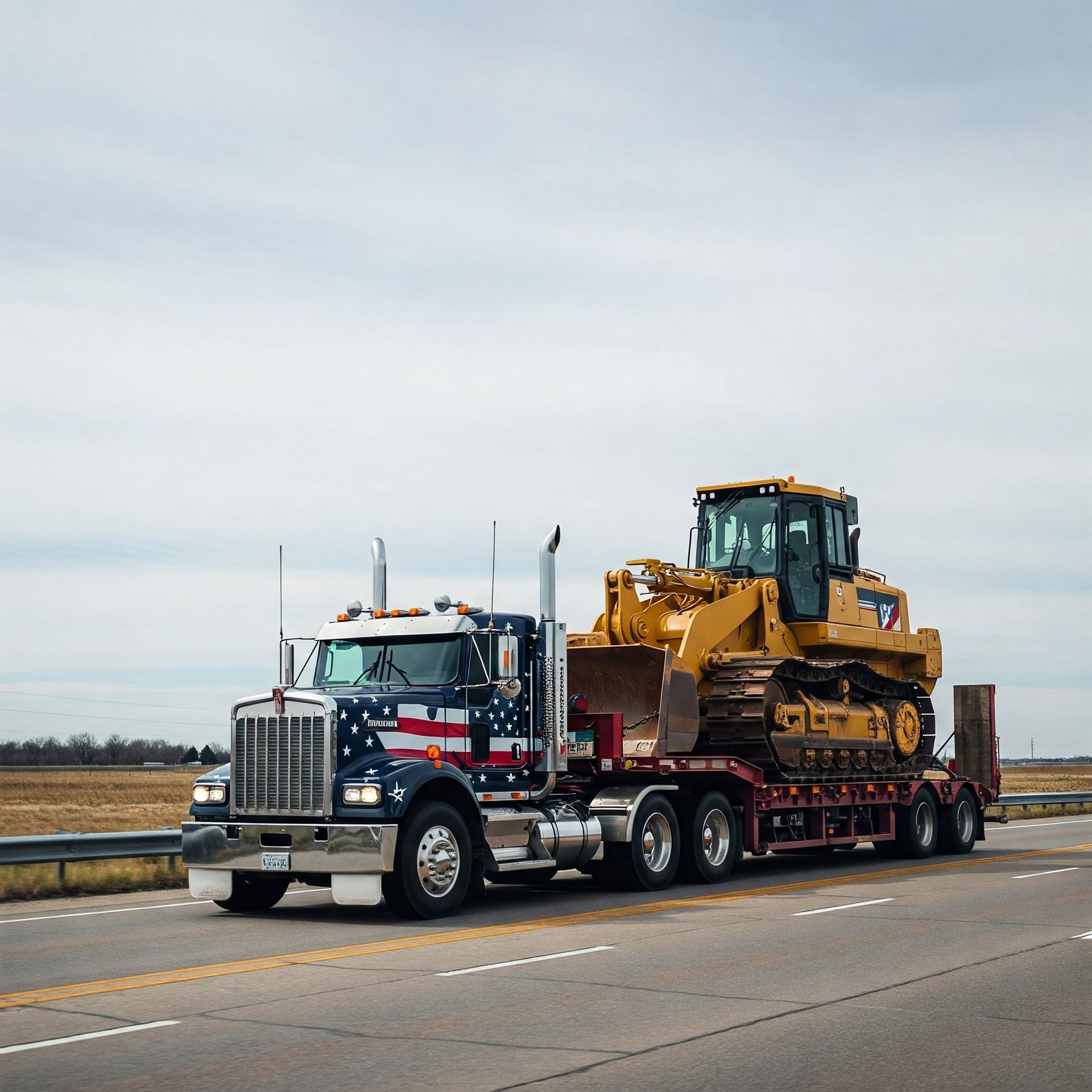
These machines are frequently used for excavation, grading, and commercial construction. Depending on their dimensions and weight, they may require lowboy trailers or other specialized hauling equipment.
Large Excavators
Heavy excavators used in demolition, mining, and major construction projects may require multi-axle trailers, oversized-load permits, and specialized route planning.
Wheeled Excavators
Wheeled excavators are commonly used in urban construction. Although some can travel short distances independently, professional transportation may be more practical for longer moves.
How to Transport an Excavator Safely
Safe excavator transportation involves several essential steps.
1. Confirm Equipment Specifications
Before scheduling transportation, provide the excavator's make, model, operating weight, dimensions, attachments, and working condition. Accurate information helps determine the correct trailer and permit requirements.
2. Choose the Right Trailer
Common options include flatbed, step deck, and lowboy trailers. Lowboy trailers are often preferred for larger excavators because their lower deck height helps accommodate taller equipment.
3. Prepare and Inspect the Excavator
Check for hydraulic leaks, damaged components, and loose attachments. Follow the manufacturer's transportation instructions, secure movable parts, and document the machine's condition before loading.
4. Load and Secure the Equipment
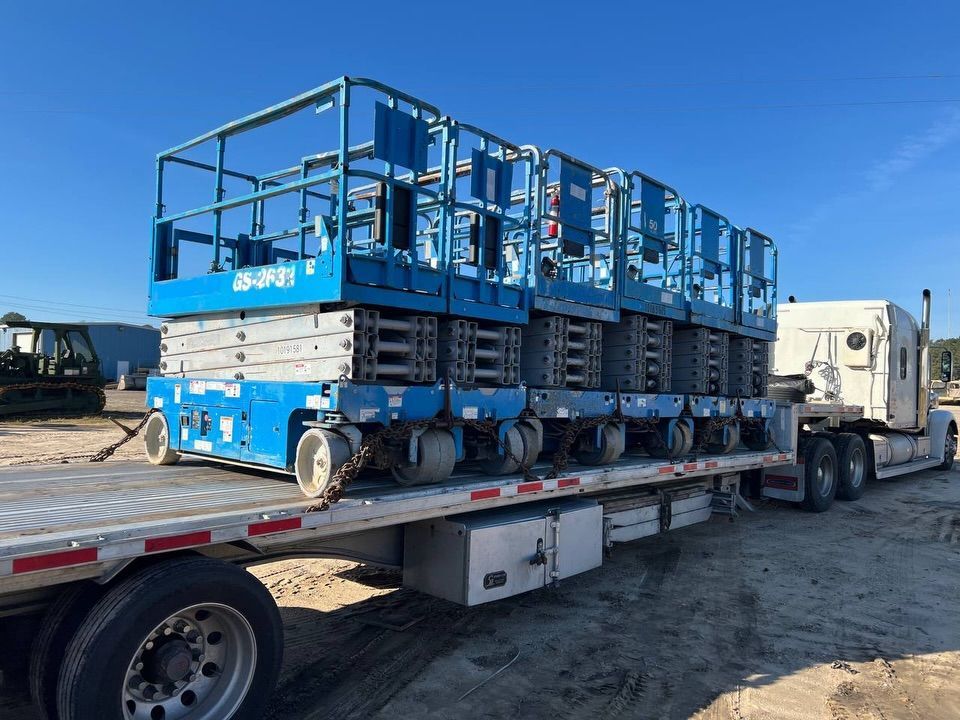
Qualified personnel should load the excavator using properly rated equipment and secure it against movement during transit.
The Federal Motor Carrier Safety Administration provides cargo securement requirements for heavy machinery.
5. Plan the Route and Delivery
Check road restrictions, clearances, weather conditions, and job site accessibility. Confirm that the destination has sufficient space and stable ground for safe unloading.
Excavator Transportation in Provo and Surrounding Utah Areas
Construction projects throughout Utah County often require excavators to move between residential, commercial, and infrastructure sites.
In
Provo, Orem, and Lehi, traffic, construction activity, and limited job site access can affect transportation schedules. Projects in
Spanish Fork and surrounding areas may also involve uneven terrain or unpaved access roads.
Utah's changing weather conditions, particularly snow and ice during winter, can create additional transportation challenges.
Contractors can check current road conditions through Utah 511 before scheduling equipment moves.
Do You Need a Permit to Transport an Excavator in Utah?
Not every excavator shipment requires a special permit. Requirements depend on the loaded vehicle's dimensions, total weight, axle configuration, and planned route.
Oversized or overweight excavators may require:
- Oversize or overweight transportation permits
- Approved travel routes
- Escort vehicles when required
- Compliance with applicable travel restrictions
The Utah Department of Transportation provides information about state transportation regulations and permitting.
Working with an experienced hauling provider can help contractors identify applicable requirements before transportation begins.
How Much Does Excavator Transportation Cost in Utah?
The cost of
excavator hauling in Utah depends on several factors, including:
- Transportation distance: Longer trips generally increase fuel and labor costs.
- Equipment size and weight: Larger excavators may require specialized trailers.
- Permit requirements: Oversized loads can involve additional expenses.
- Loading conditions: Non-running equipment or restricted access may require extra equipment.
- Scheduling: Urgent transportation requests may cost more.
To avoid unexpected expenses, provide accurate equipment details and schedule transportation in advance whenever possible.
Why Choose Royal Fast n Safe Transportation, LLC?
Based in Provo, Utah,
Royal Fast n Safe Transportation, LLC offers heavy equipment transportation and logistics services.
Contractors planning excavator moves can contact the company to discuss equipment specifications, pickup and delivery locations, scheduling, and available hauling arrangements.
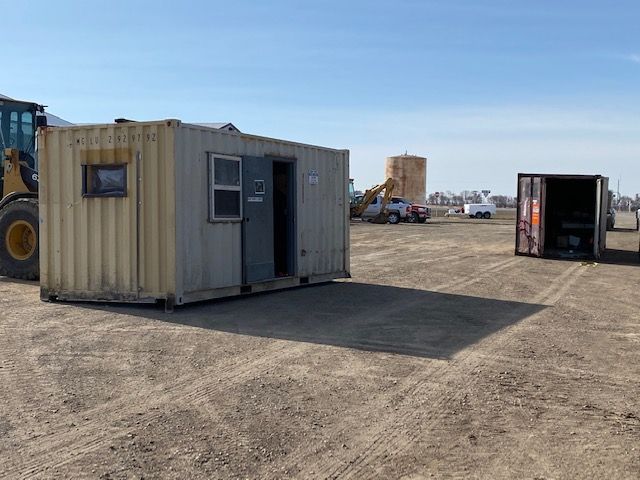
The company also offers freight shipping, container transportation, boat and marine transportation, and heavy equipment holding services.
Visit Royal Fast n Safe Transportation, LLC to learn more about its transportation solutions.
Frequently Asked Questions
How much does it cost to transport an excavator?
Pricing depends on the excavator's size, weight, transportation distance, permits, and loading requirements. Request a customized quote for an accurate estimate.
What trailer is best for hauling an excavator?
Flatbed trailers may accommodate smaller excavators, while lowboy trailers are commonly used for larger machinery. The correct trailer depends on equipment specifications and legal requirements.
Do excavators need transportation permits in Utah?
Permits may be required when the loaded vehicle exceeds applicable size or weight limits. Requirements vary by equipment configuration and route.
Can you transport an excavator that does not run?
Yes. Non-operational excavators can be transported using specialized loading equipment, such as winches or cranes, depending on the machine's condition.
Schedule Excavator Transportation in Provo, UT
Whether moving a mini excavator between local job sites or arranging transportation for larger construction equipment, proper planning and professional hauling support can help keep your project on schedule.
Royal Fast n Safe Transportation, LLC provides heavy equipment transportation services for customers in Utah.
Contact the company to discuss your excavator transportation needs and request a customized quote.